
Blog
4 Indications that a Tree Is Creating a Safety Hazard on Your Property
All American Tree & Turf • March 26, 2026
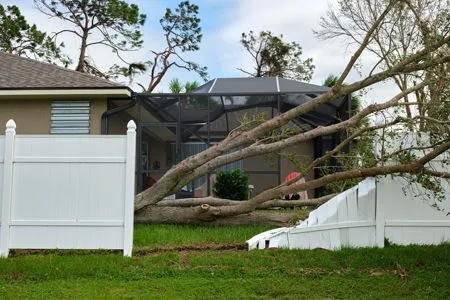
Trees that are damaged, diseased, or structurally unstable can pose serious safety risks. A hazardous tree may drop large limbs, lean dangerously, or even fall during storms. Recognizing the warning signs of a potentially dangerous tree can help property owners take action before accidents occur. At All American Tree & Turf, we provide expert hazardous tree removal in the greater Stamford area. If you notice any of the following issues, it's time to have the tree evaluated by a professional arborist.
Large Dead or Dying Branches
One of the most common warning signs of a hazardous tree is the presence of large dead or dying branches. These limbs often appear dry, brittle, or completely leafless during the growing season. Dead branches are more likely to break off unexpectedly, especially during strong winds. Falling limbs can cause serious damage to vehicles, roofs, fences, or nearby structures, and they may also pose a risk to people walking underneath the tree.
A Tree That Is Leaning Significantly
A tree that suddenly begins leaning or shows a noticeable change in its angle may be structurally unstable. While some trees naturally grow with a slight lean, a significant shift in position can indicate root damage or soil movement. Leaning trees are particularly concerning if the ground around the base appears cracked or raised. In these cases, the tree may be at risk of falling and should be inspected as soon as possible.
Cracks in the Trunk
Deep cracks or vertical splits in a tree’s trunk can weaken its structural integrity. These openings may develop due to storm damage or internal decay. A compromised trunk is less capable of supporting the weight of the tree’s canopy, which increases the risk of breakage or collapse. Large cracks are often an indication that the tree may eventually fail, especially during severe weather conditions.
Signs of Disease or Decay
Trees affected by disease or internal decay may gradually lose strength and stability. Common warning signs include fungal growth on the trunk, soft or hollow sections of wood, peeling bark, or excessive dead branches throughout the canopy. As decay spreads inside the tree, it can weaken the core structure and increase the likelihood of falling limbs or trunk failure. Professional evaluation can determine whether the tree can be treated or if removal is necessary.
Hazardous Tree Removal in Stamford, CT
For
expert tree removal in Stamford and the surrounding area, contact All American Tree & Turf at
475-285-0759. Feel free to give us a call to
ask for an arborist estimate in Stamford!